
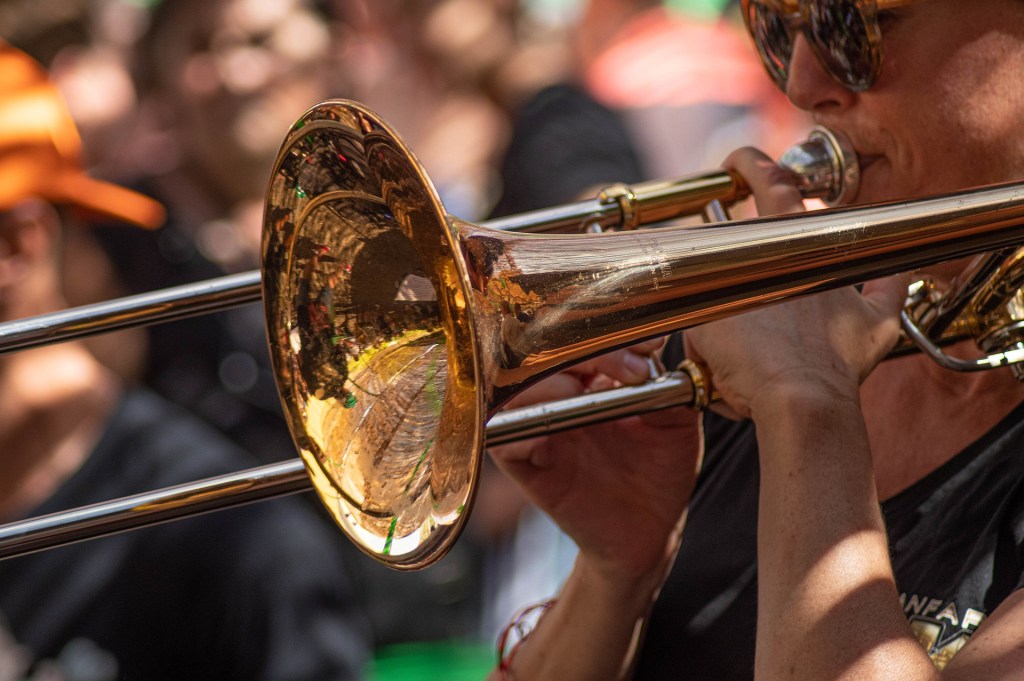
Having been a music teacher for over 40 years I have experienced numerous teaching scenarios. My first teaching experience was while I was in undergraduate school, teaching private trombone lessons.
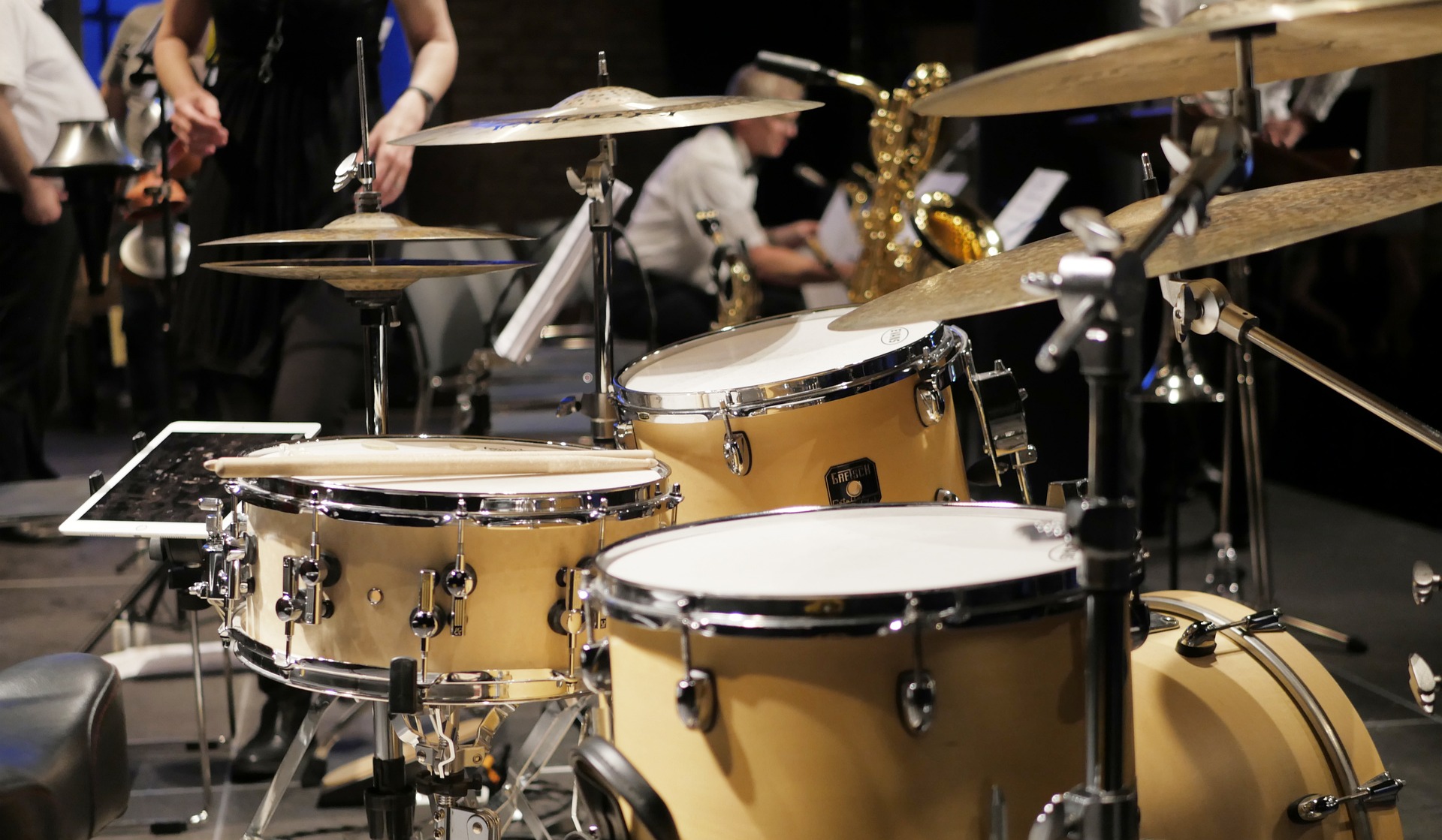
My first gig was in a small but very active band program, teaching high school band, jazz band and two levels of music theory.
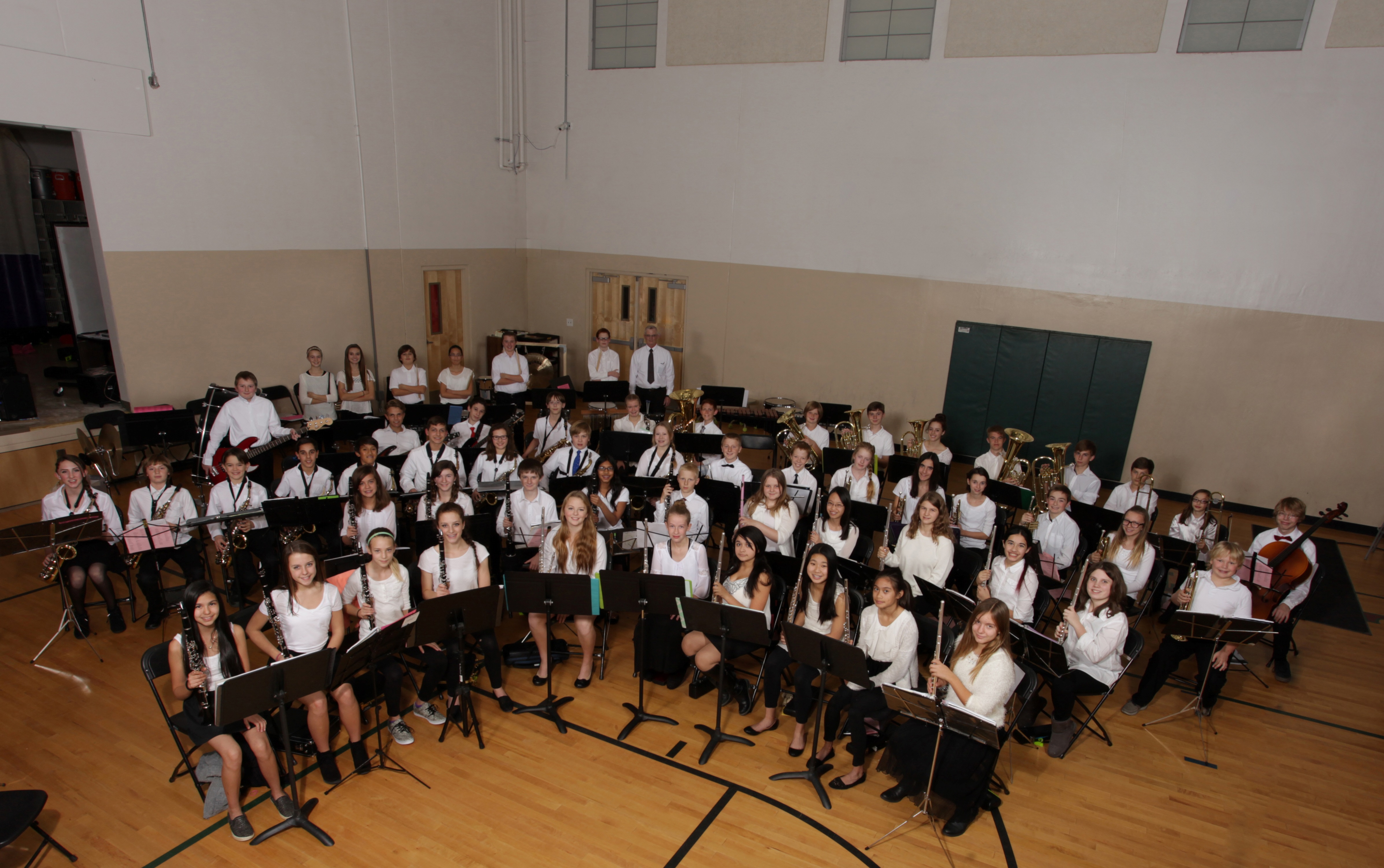
From there I spent two years working at the college level as a grad assistant. After grad school there was a 28 year stint in a large school district teaching beginning band through high school bands, 8 years at private and charter schools in another state and finally serving as a sub for local band programs.

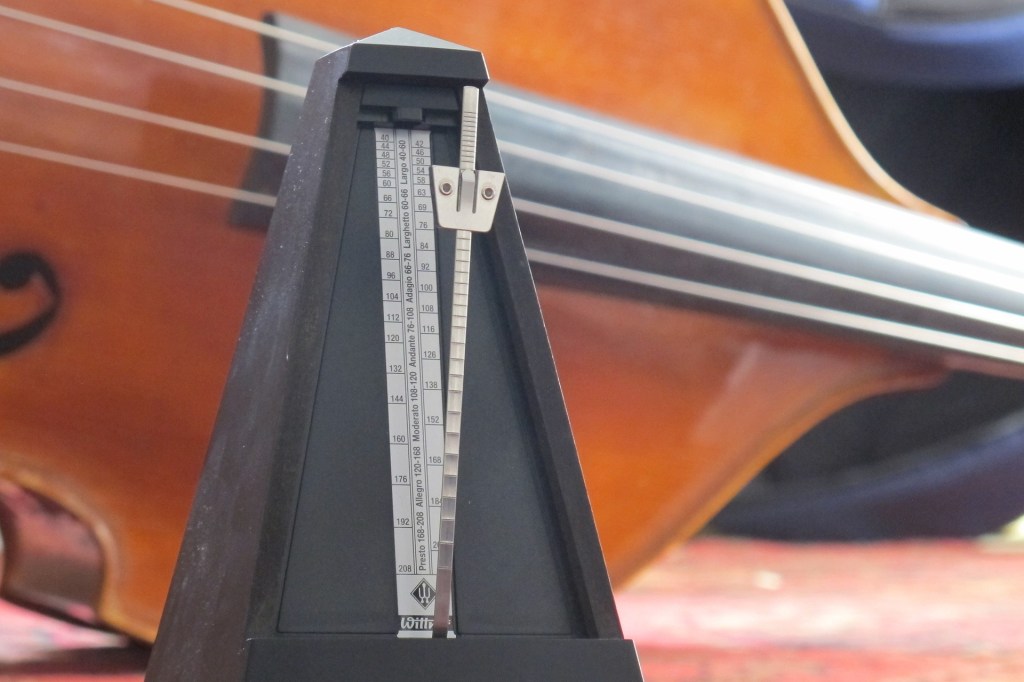
Early in my teaching career it became clear to me that one of the main challenges for all levels of music is the understanding and accurate performance of RHYTHM.
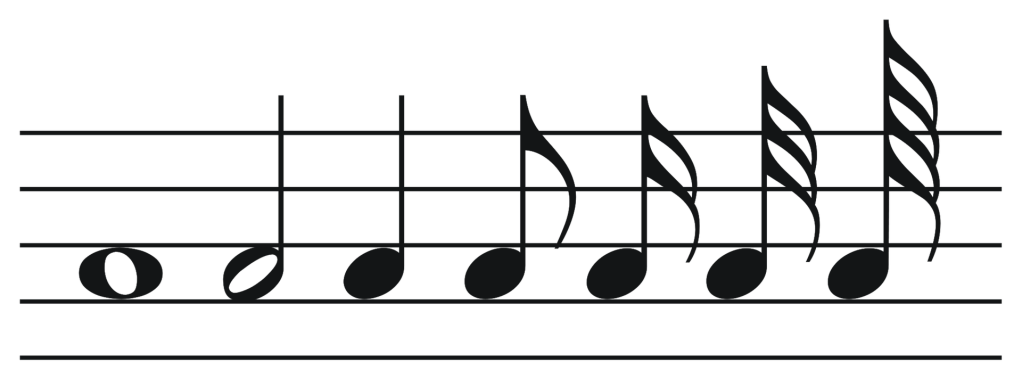
Yes, rhythm is an integral part of every method book and in most cases the explanation, illustration and the following exercises help reinforce the rhythmic concept. But somehow when moving from the method books to the ensemble music the rhythmic concepts can get lost in the translation.
Over the past two years I have been developing a series of digital flash cards to assist music teachers in the instruction of rhythm. These are called Boom™ Cards. Basically these are the digital version of the old-school flash cards the teacher would hold up to the class with the answers on the reverse side. (Wow, I am really showing my age!) Boom™ Cards accomplish the same thing but also offer additional uses not possible with the “traditional” flash cards.

Here are five quick tips to consider when teaching rhythm using Boom™ Cards:
First, these are a digital format. No more printing or copying; saving paper, ink AND time. Many school districts have purchased iPads, Chromebooks or similar devices for individual student use.

Second, these Boom™ Cards can be assigned to an entire class to be done in or outside of class. These assignments can be monitored by the teacher as a quick assessment of student comprehension.
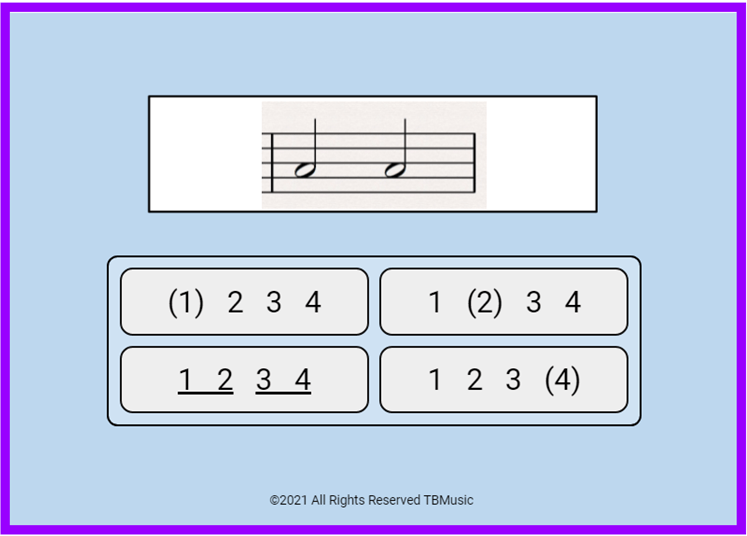
Third, if each student has their own device, utilize the Boom™ Card as a group activity during your band, choir or orchestra class. Have students place their device on the music stand or project each card on a screen or smartboard. Count, clap and play the rhythm question or answers.

Fourth, assign these to students who need extra help or reinforcement. No matter the size or instrument demographic of you classes, there are always students who grasp the concepts right away and others who need a bit more time. Boom™ Cards can be assigned individually and are a great resource to help these students understand and get up to speed. Since these are digital, the student can work on the Boom™ Card unit on their own time.

Fifth, if digital is not possible in your situation, I have versions of some of my Boom™ Cards on my Teachers Pay Teachers store using the same question/answer format using a printable answer sheet.
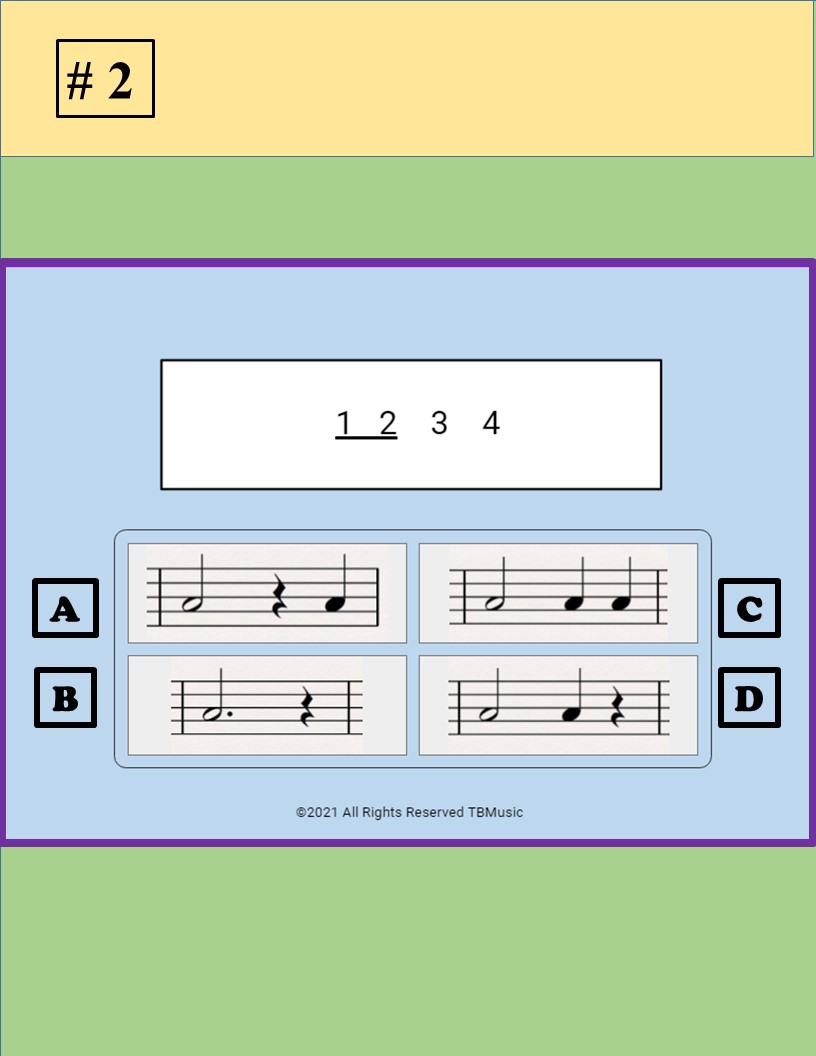
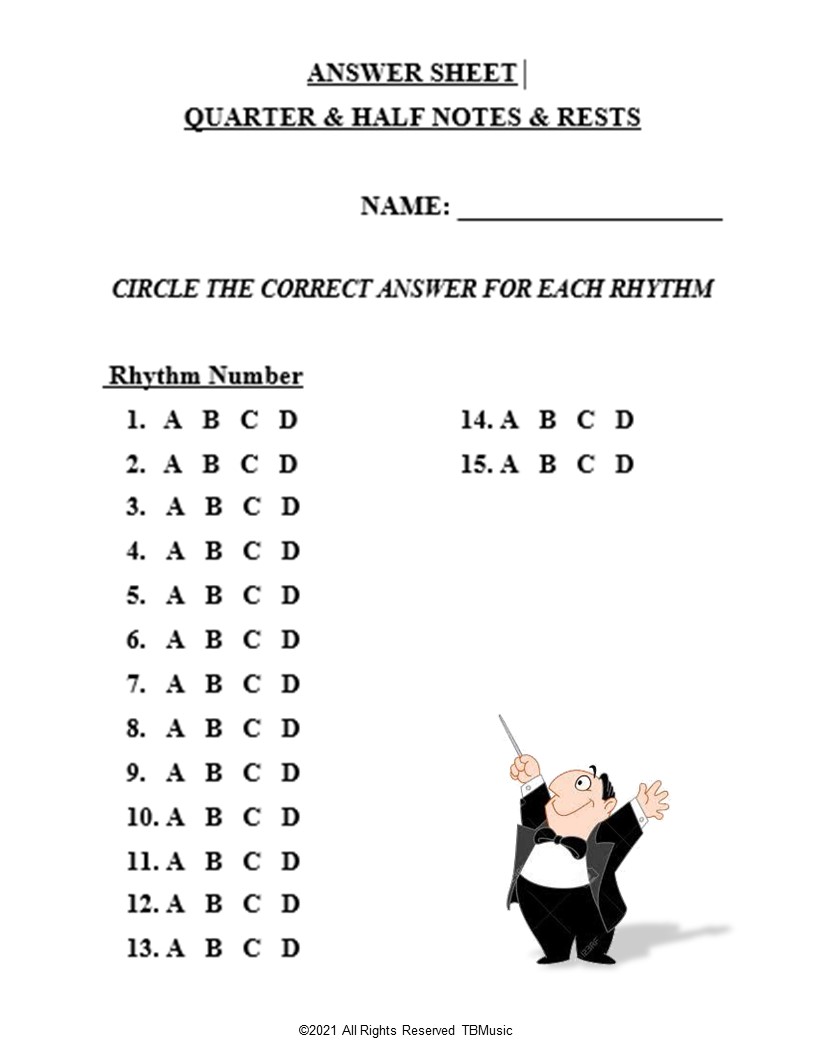
Designed students with various learning styles, each of my Rhythm Counting Basics Boom™ Cards will help students be successful at mastering the fundamental musical skill of counting and performing rhythms. Whether they are a visual, auditory, or kinesthetic learner, there is a set that will work for them.

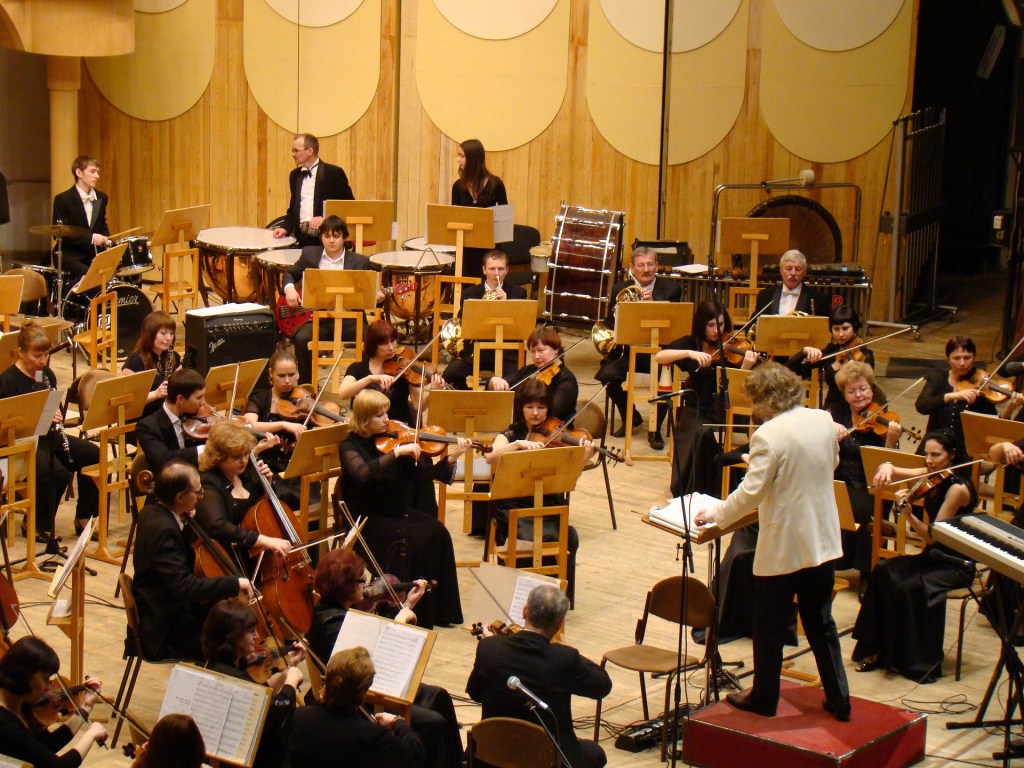
In the next few posts I will explain how each of the five formats in my Rhythm Counting Basics Boom™ Cards can be applied to nearly any teaching situation. In meantime, take a look at my store at: https://wow.boomlearning.com/author/tbmusic?collection=FeaturedAuthor or my TPT Store at: https://www.teacherspayteachers.com/Store/Tbmusic
 Tim Baldwin Music