

Recently I was talking with a fellow retired band director who had started teaching again on a part-time basis. We covered all kinds of aspects of starting young students on band instruments, but this discussion could apply to strings as well. During our discussion of various aspects of the beginning instrumental music process we covered instrumentation, trying out instruments, method books, class size and schedule. You name it we discussed it. One aspect of teaching beginning students that we both feel needs specialized attention is RHYTHM.
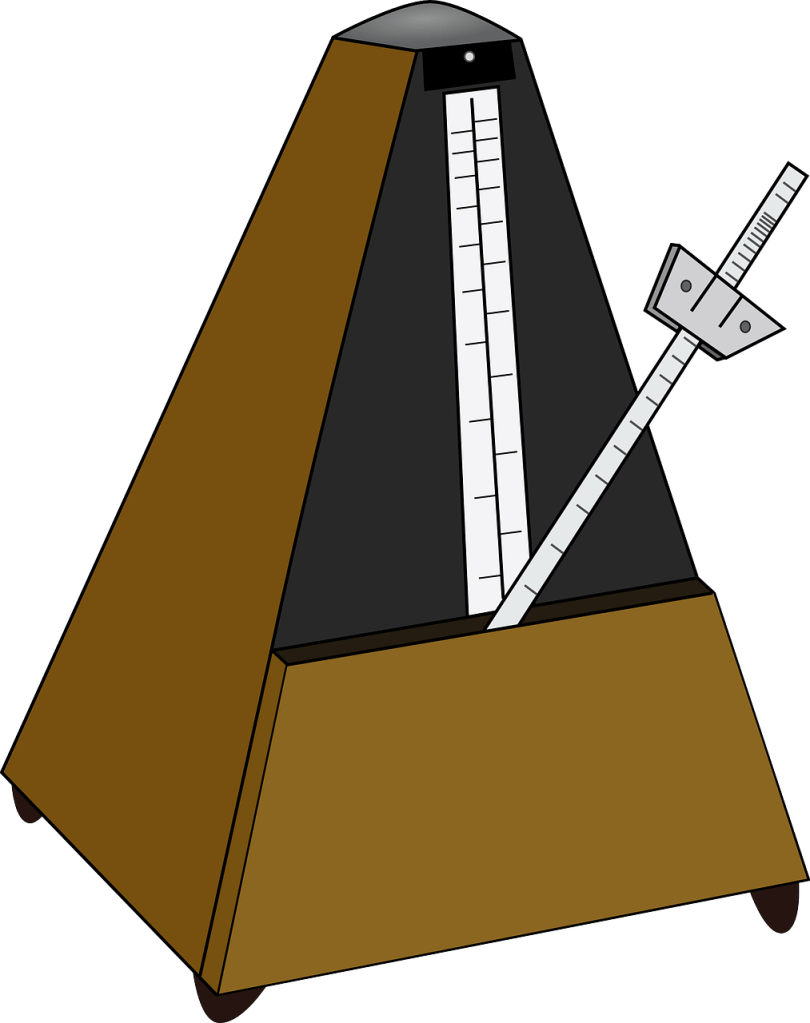
Yes, proper posture, hand position, breathing techniques and a myriad of specialized issues (depending on the instrument) are all essential for the beginning student. However we all realize that your beginning students can learn all there is about the above-mentioned topics but without a secure and solid understanding of rhythm, the result well be a cacophony of random notes (even more so than the usual).
The Bad and the Ugly
Seldom do I encounter anyone teaching in what I would call “The Bad and the Ugly” style. However recently I was giving lessons to a student who was entering an excellent middle school band program after having started in what I consider a “bad and ugly” 5th grade experience.
This student had an adequate concept of embouchure, hand position and tone production largely due to the fact that her mother played the same instrument. HOWEVER there were some glaring deficiencies in her in-school instruction.
NOTES AND FINGERINGS
Instrument specific note names and the corresponding fingerings were not emphasized. Instead, the students were told, “This note is the first scale degree.” So the concept of reading, knowing the note name and the correct fingering was not a priority for the mixed instrument class. I understand using this “scale degree” approach but students also need to learn note names with correct fingerings.

If a student had a question about a note the response was, “Just look it up on your fingering chart.” OK, I understand this to a point, but let’s think about this. Do they even know how to read the fingering chart? How do you know if they are looking at the correct note? What if there are two or three different fingerings for the same note?

RHYTHM
The rhythmic concepts of note values and how they relate to the beat and tempo appeared to be lacking as well. My student had a vague concept of beat but was quite unclear as to note values and how they related to the beat. There was no “physical” manifestation of the beat. No foot tap. No breath impulse. No counting or clapping of rhythms. From what I could discern from what my student told me, there was a lot of “It goes like this” rote learning with little emphasis on rhythmic basics.
TEACHER ATTENDANCE
This one I cannot understand. 5th grade band class was on an alternating day basis so band class met two or three times per week. There were times when the teacher was either late or just didn’t show up at all! Imagine a class of 5th graders, all with “noise makers” in their hands and no teacher in the room. WOW! That is a law suite just waiting to happen. But I digress.

The Good
So what is the best approach?
After teaching instrumental music for 40+ years my approach now is quite a bit different than when I first started teaching. I have used numerous beginning method books over the years and each has its merits. Perhaps the beginning student doesn’t even need a method book for the first few weeks. Just opening the case correctly and putting the instrument together can be exciting for some students but also overwhelming for others. Now add in a method book, a music stand, reeds, valve oil, swabs, spit valves (gross) and it could be more than some can handle.

It is more important to help the beginning student to gain a solid physical sense of beat and tempo BEFORE they deal with the mechanics of their instrument and reading notes and rhythms.
Applying a Suzuki-like approach, have the students physically perform only the beat at various tempos. I am a “foot tapper” and always try to have students do the same. Tap the toe, heel, etc. For some it is a coordination issue but it can be overcome. Even having students stand and step in place to the beat is a prelude to tapping is also a possibility.
Once the students are comfortable with tapping, clapping or marching the beat, introduce various note values (though most may not know what note vales are). Split the group in half and while one group is tapping the beat have the others sing a rhythm. Then switch. Then have the whole group tap and sing the beat. Use syllables like “tah” for whole, half and quarter notes. Keep in mind they are NOT reading these rhythms, only performing them.
Mix it up, change the tempo, split into smaller groups and add combinations of whole, half and quarter notes. Perhaps use a different syllable for different note values. If the students get comfortable with these rhythms add eighth notes using the “tee – tee” syllable. (Some teachers believe students should start with eighth notes to gain a sense of subdivision right away, similar to the breathe impulse system. I see merit in this approach as long as the student is physically tapping their toe or heal to the beat, not the subdivision)

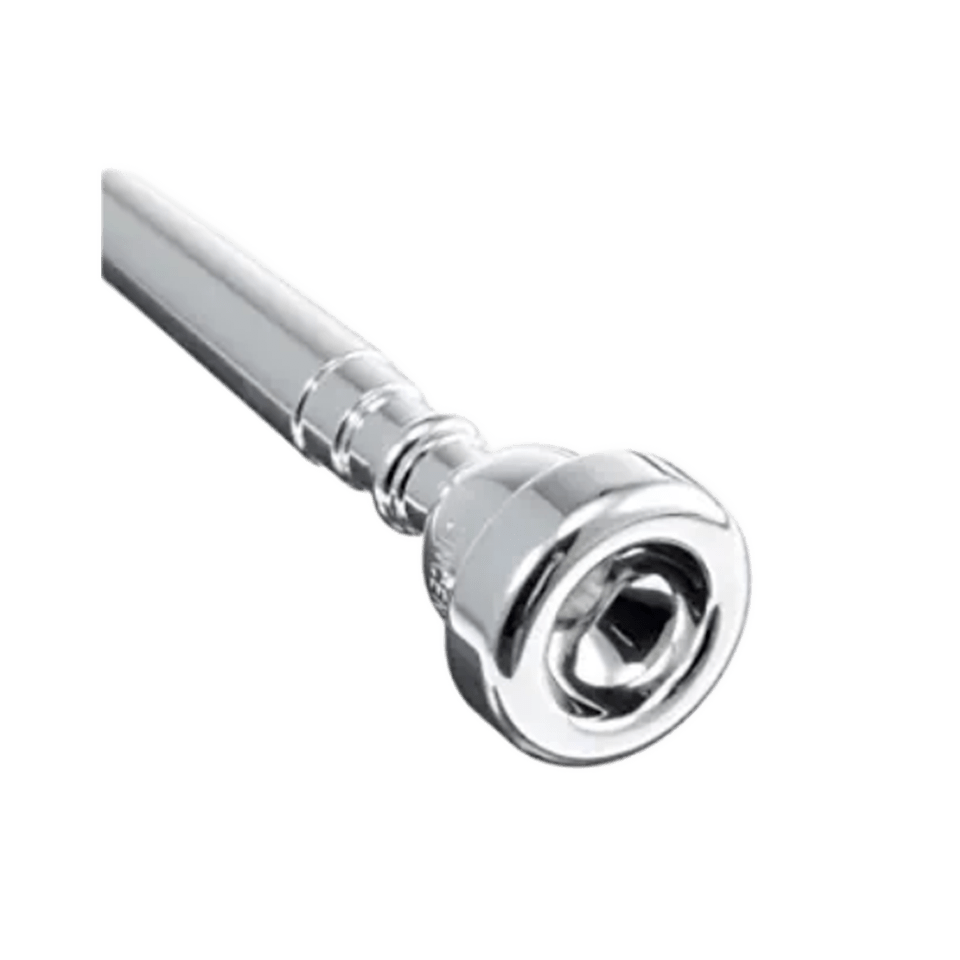
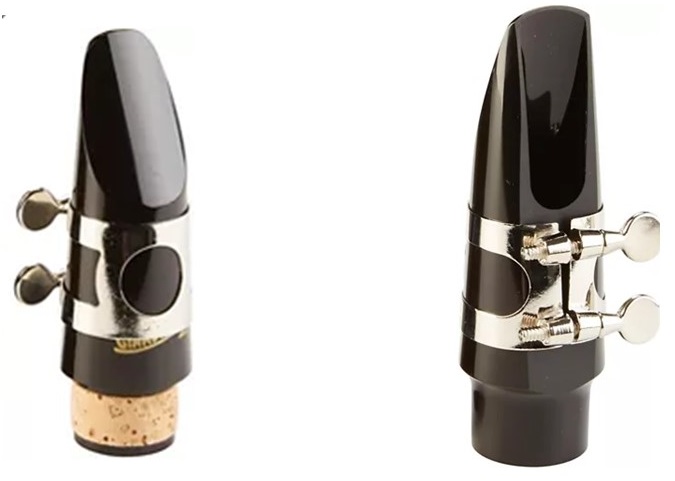
When you feel your students have achieved a solid physical sense of beat, tempo and rhythm combinations, it is time to have them start playing. After instruction on embouchure, mouthpiece care, reed placement and ligature adjustments, use mouthpieces (brass), mouthpiece/reed/barrel (clarinets), mouthpiece/reed/gooseneck (saxes) head joint (flutes) and start playing. Have students go through similar beat, tempo and rhythm exercises as before, using combinations of students counting, clapping and tapping the beat while others play. Again, students are NOT reading notes yet.
The main purpose of all of the above mentioned activities is to “drill” the physical sense of beat and tempo so it is a natural aspect of music and playing together as an ensemble.
BE CREATIVE.
As their instrumental music teacher, you are in control of the pace of these rhythm activities. Be creative. Have fun. At the same time, remember: solid, systematic and physical rhythmic instruction will provide your students the foundation for a lifetime of music performance.
To quote Paderewski, “Rhythm is the pulse of music.” How true, how true!
**************************************************************************************************************************************************************************
I have been developing a series of digital products to help music educators. Though designed to help with remote and distance learning challenges, these have also had success with in-class individual review and drill as well as in-person group lessons. Check out my growing list of offerings at the links below.
https://www.teacherspayteachers.com/Store/Tbmusic
https://wow.boomlearning.com/author/tbmusic

 Tim Baldwin Music